
Speculation surrounding a potential Tesla China business sale has intensified, suggesting a strategic maneuver by Elon Musk to pave the way for a merger between his electric vehicle (EV) giant and the aerospace company SpaceX. Such a transaction would represent a seismic shift in the automotive and technology landscapes, profoundly impacting global EV manufacturing, supply chains, and the broader clean energy market, particularly in Asia.
- A hypothetical Tesla China business sale could unlock significant capital, potentially facilitating a transformative merger with SpaceX.
- Divesting its highly successful Gigafactory Shanghai operation would reflect a strategic pivot by Tesla amidst evolving geopolitical landscapes and increased competition in the Chinese EV market.
- Such a merger would create a diversified technology conglomerate, combining advanced manufacturing, software, AI, and space exploration, with profound implications for innovation.
- The move would undoubtedly reshape global EV manufacturing and supply chains, potentially leading to new alliances and intensified competition.
The Prospect of a Tesla China Business Sale
The notion of divesting operations within a critical market like China is not undertaken lightly by any global corporation, let alone a company with the market capitalization and influence of Tesla. The speculation surrounding a Tesla China business sale suggests a fundamental re-evaluation of the company’s global strategy, driven by a confluence of economic, competitive, and geopolitical factors.
Tesla’s Rooted Presence in China
China has been an indispensable market for Tesla, particularly with the successful establishment of Gigafactory Shanghai. This facility has served as a cornerstone of Tesla’s global production and export strategy, demonstrating remarkable efficiency and contributing substantially to the company’s overall vehicle delivery figures. The plant’s strategic importance extends beyond mere production; it has been central to Tesla’s efforts to penetrate and thrive in the world’s largest electric vehicle market. For context on Tesla’s broader production ambitions, see our earlier coverage on Tesla’s Giga-factories and battery technology.
However, Tesla’s journey in China has not been without its complexities. The competitive landscape has grown fiercely, with domestic players like BYD, Nio, and Xpeng increasingly formidable. Challenges ranging from public relations issues to navigating the nuances of local regulations have also presented hurdles. The South China Morning Post has previously detailed some of these dynamics, highlighting Tesla’s experience in China.
Potential Motivations for Divestment
Several factors could compel Tesla to consider a sale of its Chinese business. Geopolitical tensions between the United States and China often place high-profile foreign companies in a delicate position. Operating in both nations can create complexities related to data security, supply chain resilience, and market access. A divestment could be perceived as a move to de-risk Tesla’s operations from these macro-level dynamics. Furthermore, the capital generated from such a significant sale would provide a substantial financial injection, which could be earmarked for other strategic initiatives, most notably a potential merger with SpaceX.
The Allure of a SpaceX Merger
The prospect of a Tesla-SpaceX merger is undeniably ambitious, reflecting an integrated vision that leverages synergies across disparate, yet technologically intensive, sectors. Both companies are helmed by Elon Musk and share core competencies in advanced engineering, software development, artificial intelligence, and manufacturing at scale. A combined entity would create an unprecedented technology conglomerate with capabilities spanning terrestrial transportation, energy storage, and space exploration.
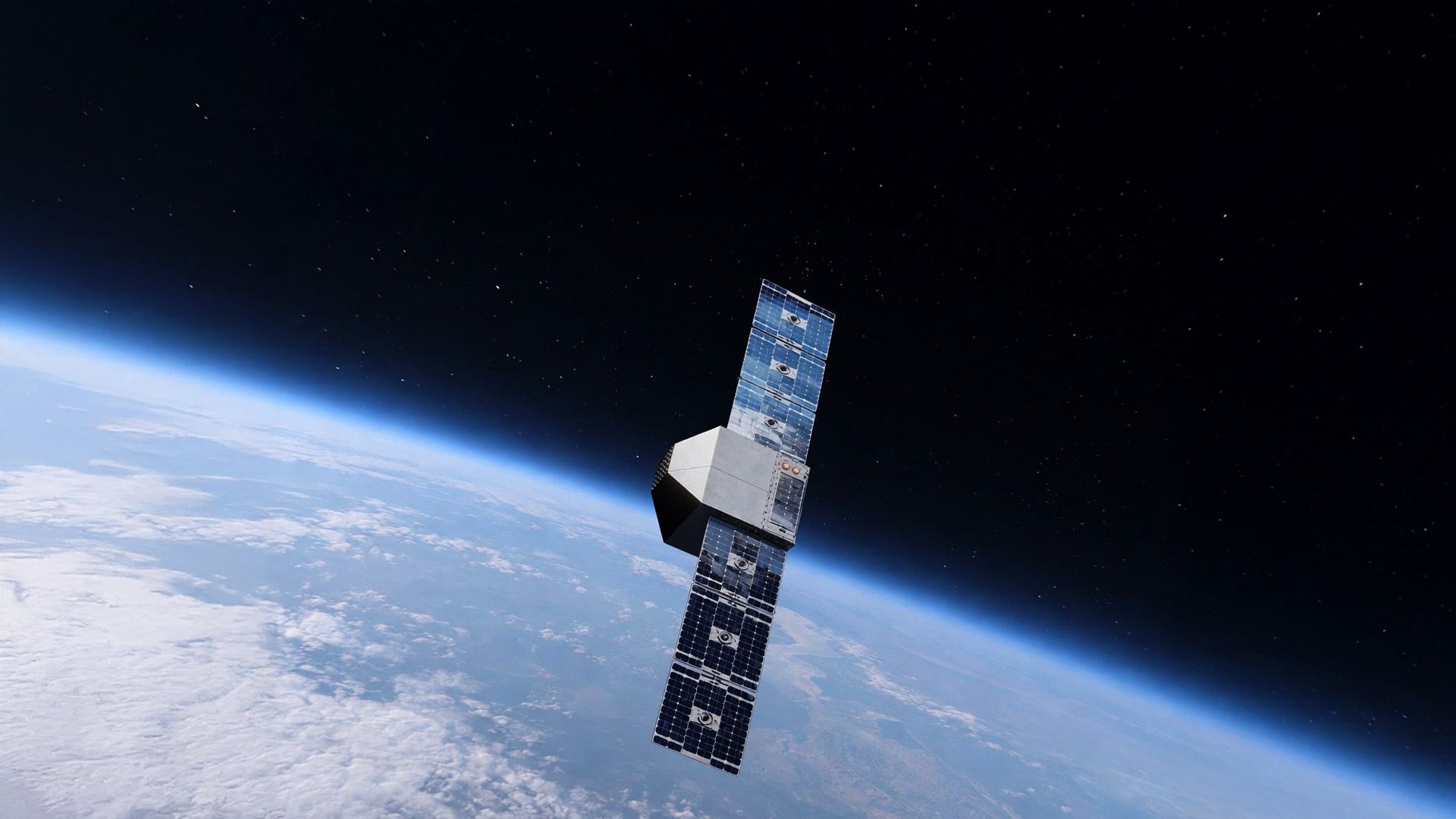
From an innovation standpoint, a merger could accelerate breakthroughs in battery technology, autonomous systems, and advanced materials by pooling research and development efforts. For instance, the demand for robust, lightweight, and efficient power systems in space applications could directly inform and improve EV battery design and performance. Conversely, Tesla’s expertise in high-volume, cost-effective manufacturing could benefit SpaceX’s ambitions for mass-producing Starlink satellites or future spacecraft components. Such a convergence would place the combined entity at the forefront of cross-sector innovation, distinguishing it from traditional automakers or aerospace firms.
Wider Implications for the EV Market
An event as significant as a Tesla China business sale would send ripple effects throughout the global electric vehicle market.
The immediate impact would likely be felt in Asia, where Chinese automakers are already expanding their global footprint. For instance, reports indicate Chinese truck makers are expanding electric truck assembly in Europe, signaling a broader intent to capture international market share. The exit of a major foreign player like Tesla from direct manufacturing in China could create a vacuum that local competitors would eagerly fill, further accelerating their innovation and production capabilities. This could lead to intensified price competition and a faster pace of technological development within the Chinese domestic market.
Globally, the sale could lead to a restructuring of EV supply chains. Tesla’s Gigafactory Shanghai sources components from a vast network of Chinese suppliers. A new owner would likely maintain some of these relationships, but shifts in ownership and strategic direction could create opportunities for suppliers in other regions. Furthermore, the global EV pricing landscape could be influenced, depending on how a new owner of the Chinese assets positions their products and how Tesla recalibrates its global pricing strategy without direct production in China.
Impact on Clean Energy and Geopolitical Dynamics
The clean energy transition is a global imperative, and China plays a pivotal role in this transformation. Tesla’s operations in China have contributed to the growth of electric vehicle adoption and the expansion of the clean energy ecosystem. A change in ownership of these significant assets could impact the pace and direction of clean energy development within China, depending on the strategic priorities of the acquiring entity. Academic research has explored China’s clean energy transition and the role of foreign investment.
From a geopolitical perspective, the potential sale could be viewed through different lenses. Some might interpret it as a strategic withdrawal, while others might see it as a pragmatic business decision to optimize capital and manage operational complexities in a challenging international environment. This could influence perceptions of foreign investment in China’s critical industries and potentially shape future policy considerations for both China and other nations.
Regulatory Hurdles and Stakeholder Considerations
Any large-scale divestment and subsequent merger would face significant regulatory scrutiny in both China and the United States. In China, authorities would need to approve the sale, considering its implications for employment, local industry, and national economic interests. Similarly, a Tesla-SpaceX merger would almost certainly trigger reviews by antitrust bodies and other regulatory agencies in the US, given the combined entity’s potential market dominance and influence in multiple critical technology sectors. These processes can be lengthy and complex, requiring careful navigation and adherence to intricate legal frameworks.
Beyond regulatory bodies, numerous stakeholders would keenly watch such developments. Chinese automakers, many of whom are direct competitors to Tesla, would analyze the implications for their market share and strategic positioning. Global investors would assess the impact on Tesla’s valuation and future growth prospects. Furthermore, the employees of Gigafactory Shanghai, as well as Tesla’s extensive network of suppliers and partners in China, would be directly affected by any change in ownership or strategic direction.
The Bigger Picture: Why It Matters
The potential Tesla China business sale and subsequent SpaceX merger transcend a typical corporate M&A story; it represents a bold repositioning in a rapidly evolving global tech and geopolitical landscape. This move, if it materializes, signals a recognition by Tesla’s leadership that optimizing capital allocation and consolidating strategic assets might be more critical than maintaining a direct manufacturing presence in every major market, especially when geopolitical fault lines are deepening.
For the EV industry, it highlights the increasing pressure on automakers to innovate beyond vehicles, integrating energy solutions, AI, and potentially even space-based services. It sets a precedent for how global companies might adapt their operational footprints in response to nationalistic economic policies and supply chain vulnerabilities. For consumers, while immediate impacts might be subtle, long-term implications could include faster technological advancements in EVs from a more integrated tech-space entity, or conversely, a more fragmented global EV market with stronger regional players. This strategic calculus reflects a proactive attempt to shape the future direction of two of the most influential companies of our time, rather than passively react to market forces.
FAQ
- What is the primary keyword of this article?
- The primary keyword is “Tesla China business sale.”
- Why would Tesla consider selling its China business?
- Potential reasons include managing geopolitical risks, optimizing capital for other strategic ventures like a SpaceX merger, and adapting to a highly competitive local EV market.
- How would a Tesla-SpaceX merger benefit the companies?
- A merger could foster cross-sector innovation, particularly in advanced materials, battery technology, and autonomous systems, by pooling R&D and manufacturing expertise.
- What are the implications for the global EV market?
- It could lead to increased dominance of Chinese domestic automakers in Asia, restructuring of global EV supply chains, and potential shifts in global EV pricing strategies.
- Will a Tesla China business sale affect Chinese clean energy goals?
- The impact could vary depending on the buyer’s strategic priorities, but a new owner of Gigafactory Shanghai would still contribute significantly to China’s EV production capacity.
Conclusion
The notion of a Tesla China business sale to facilitate a SpaceX merger is a testament to the dynamic and often unpredictable nature of the technology and automotive sectors. While speculative, such a move underscores a strategic pivot aimed at consolidating power, leveraging cross-sector synergies, and navigating complex global operating environments. The implications for the electric vehicle market, clean energy initiatives, and geopolitical dynamics would be profound, setting a new benchmark for corporate strategy in the 21st century. As always, nexusvolt.com will continue to monitor these developments and provide insightful analysis on their broader impact. This intricate interplay of business, technology, and geopolitics, as discussed by UTS News regarding geopolitics and Tesla’s China breakthrough, highlights the high stakes involved.
Source: (Hypothetical internal nexusvolt.com briefing)


Join the Conversation
0 CommentsLeave a Reply