Tesla-SpaceX Merger Could Transform EVs and Battery Technology
Explore how a potential Tesla-SpaceX merger could reshape electric vehicles, battery tech, and clean energy markets. Discover key industry insights.
 verified
Speculation surrounding a potential Tesla SpaceX merger continues to capture the imagination of industry analysts and technology enthusiasts alike. While purely speculative at this stage, the prospect of combining Elon Musk’s two flagship companies presents a myriad of potential impacts, particularly for the electric vehicle (EV) and battery technology sectors. Such a consolidation could unlock unprecedented synergies in research, development, and manufacturing, significantly accelerating advancements in clean energy, sophisticated power systems, and cutting-edge propulsion.
- A hypothetical Tesla-SpaceX merger would create a conglomerate with unparalleled engineering and manufacturing capabilities, particularly impactful for battery technology and advanced materials.
- Cross-pollination of expertise from space-grade systems to automotive applications could accelerate breakthroughs in battery density, efficiency, thermal management, and rapid charging.
- The combined entity would likely command immense economies of scale, driving down costs and accelerating innovation cycles for both terrestrial and extraterrestrial technologies.
- Significant regulatory scrutiny, market complexities, and competitive responses from established players in both industries would be inevitable challenges for such a colossal merger.
The Speculation and Its Roots
The notion of a Tesla and SpaceX merger often arises from their shared founder, Elon Musk, and the perceived technological overlaps between the two ventures. Both companies operate at the bleeding edge of their respective fields, pushing boundaries in electric propulsion, autonomous systems, advanced manufacturing, and, critically, energy storage. Tesla, a titan in electric vehicles and stationary battery storage, and SpaceX, a leader in reusable rocketry and satellite constellations, share a fundamental reliance on robust battery systems, sophisticated power electronics, and innovative materials science.
While no concrete plans for a merger have been announced, the discussion underscores a broader trend in technology: the convergence of traditionally separate industries. As electrification becomes pervasive, the demand for high-performance, cost-effective, and safe battery solutions intensifies across sectors, from personal transport to orbital mechanics. The idea of a combined entity prompts questions about how such a powerhouse could leverage shared intellectual property and engineering talent to leapfrog competitors and redefine technological paradigms.
The implications of such a consolidation extend beyond mere corporate restructuring. It points towards a future where advancements in space exploration could directly inform sustainable energy solutions on Earth, and vice-versa. This cross-sector innovation is what makes the potential Tesla SpaceX merger impact a compelling topic for industry watchers.
Synergies in Battery Technology and Manufacturing
One of the most immediate and profound impacts of a hypothetical merger would be on battery technology. Both Tesla and SpaceX are voracious consumers and developers of advanced battery systems. SpaceX’s Starship, for instance, requires immense energy density and power delivery for its thrust vectoring and overall operational needs, pushing the limits of current battery capabilities. Similarly, Tesla’s electric vehicles demand continuous improvements in range, charging speed, and longevity. The combined R&D departments could pool resources and expertise, potentially leading to rapid breakthroughs.
Lithium-Ion Advancements
SpaceX often utilizes highly specialized, high-performance battery cells engineered for extreme conditions, specific power-to-weight ratios, and reliability in harsh environments. These requirements frequently push beyond the consumer-grade metrics typically found in EVs. By integrating SpaceX’s insights into Tesla’s battery development, there could be accelerated progress in electrode materials, electrolyte formulations, and cell packaging. Imagine a future where EV batteries benefit from thermal management systems designed to withstand the rigors of rocket launches or energy densities refined for space missions that then translates to significantly longer EV ranges or dramatically faster charging cycles. This integrated approach aligns with Tesla’s own efforts to scale innovative battery chemistries, as seen with their 4680 cell production. Further investment into materials like silicon-carbon anodes, as explored by companies such as Sila Nanotechnologies, could also see accelerated integration into mass production. For more on advanced battery materials, see Sila Raises $300M to Scale Silicon-Carbon Anode for EV Battery.
Gigafactory Lessons from Space
Both companies are masters of advanced manufacturing. Tesla’s Gigafactories are benchmarks for automated, high-volume production, while SpaceX’s facilities are adept at rapid prototyping and iterating complex aerospace components. A merger could see the application of SpaceX’s expertise in precision manufacturing, rapid iteration cycles, and materials science directly applied to Tesla’s battery production lines. This cross-pollination could lead to even more efficient and cost-effective battery manufacturing processes, enhancing the scalability of next-generation cells. The emphasis on reusability and rapid re-manufacturing, central to SpaceX’s rocket operations, could inspire new approaches to battery recycling, refurbishment, and even modular battery designs for EVs and energy storage.
Propulsion and Energy Storage Cross-Pollination
Beyond battery chemistry, the propulsion systems themselves offer areas of significant overlap.
Electric Propulsion and Spacecraft
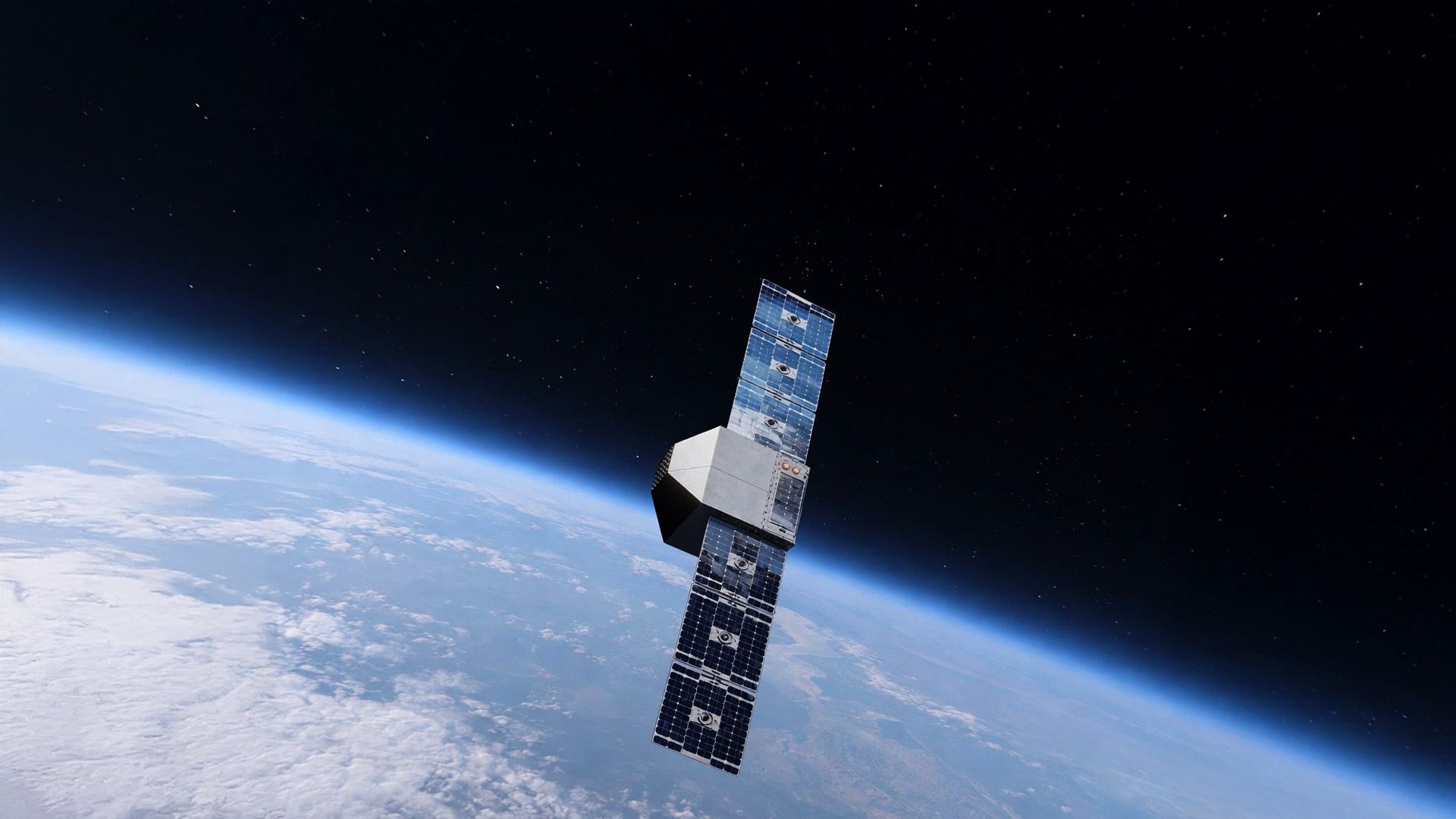
While SpaceX primarily uses chemical rockets, its satellite division, Starlink, deploys spacecraft that rely on electric propulsion systems for orbital maneuvering. These systems often utilize advanced power electronics and efficient energy conversion mechanisms to operate effectively in space. The engineering challenges in designing highly efficient, lightweight, and reliable electric thrusters, along with their associated power systems, could yield valuable insights transferable to the automotive sector, especially for high-performance EVs.
Boosting Terrestrial Battery Performance
Conversely, Tesla’s deep understanding of electric motors, power inverters, and sophisticated battery management systems (BMS) for automotive applications could benefit SpaceX’s satellite and potential future electric aircraft endeavors. A combined entity might accelerate the development of more powerful, compact, and resilient electric motors and battery packs suitable for aerospace applications. The relentless pursuit of efficiency in EVs, exemplified by breakthroughs like BYD’s battery advancements, is directly applicable to aerospace. For further reading, explore BYD Electric Vehicle Speed Record Battery Advancements.
Supply Chain and Resource Optimization
Both Tesla and SpaceX operate complex global supply chains. A merger could lead to significant advantages in resource acquisition, particularly for critical battery materials like lithium, nickel, and cobalt. The combined purchasing power would be immense, potentially allowing for more favorable contracts and greater control over the upstream supply chain. Furthermore, SpaceX’s expertise in advanced materials and composites, developed for lightweighting rockets and spacecraft, could be leveraged to create lighter, stronger, and more efficient EV chassis and battery enclosures, improving vehicle performance and safety.
The lessons learned by SpaceX in managing intricate component supply for high-stakes space missions could also refine Tesla’s manufacturing logistics, potentially mitigating supply chain disruptions that have plagued the automotive industry in recent years. This could extend to broader clean energy initiatives, impacting the rapid deployment of charging infrastructure, as observed with companies like Aqua superPower expanding their networks. Read more on this at Aqua superPower’s Latest Italian Expansion.
Broader Implications and Market Disruption
Such a merger would create an unprecedented technology conglomerate, potentially disrupting multiple industries simultaneously. The combined entity would possess immense financial resources, engineering talent, and manufacturing capabilities, allowing it to pursue ambitious projects that span Earth and space.
For the EV market, this could mean an acceleration towards more affordable, higher-performance electric vehicles with capabilities currently considered futuristic. For the energy sector, it could lead to more robust and scalable energy storage solutions, bolstering grid stability and renewable energy integration. The synergy could also extend into artificial intelligence and robotics, where advancements in autonomous driving and rocket landing could inform each other, fostering a new era of highly intelligent, self-optimizing systems.
However, analysts like those at Morningstar suggest that while intriguing, the immediate practical synergies might be less direct than some imagine, at least in the near term, mainly due to the vastly different market dynamics and operational scales of the two companies: Morningstar on Tesla-SpaceX Merger.
Regulatory Challenges and Competitive Responses
Any merger of this magnitude would undoubtedly face intense regulatory scrutiny globally. Antitrust concerns would be paramount, given the dominant positions both Tesla and SpaceX hold in their respective markets. Governments would assess the potential for reduced competition, market concentration, and the overall impact on consumers and innovation within the EV, aerospace, and energy sectors.
Furthermore, legacy automakers and aerospace firms would likely respond to such a development with intensified R&D efforts and strategic partnerships of their own. The competitive landscape for batteries, electric propulsion, and advanced manufacturing is already fierce, and a Tesla-SpaceX conglomerate would only escalate this competition, potentially driving further innovation across the entire industry as rivals strive to keep pace.
Conclusion
While a Tesla-SpaceX merger remains a hypothetical discussion, its potential implications for the electric vehicle and battery technology landscape are profound. The fusion of aerospace-grade engineering with mass-market automotive innovation could unlock unprecedented advancements in energy density, manufacturing efficiency, and overall system integration. Such a scenario would not only redefine the boundaries of what is technologically possible but also accelerate the global transition towards sustainable energy and advanced propulsion systems, both on Earth and beyond. The challenges, particularly regulatory and competitive, would be substantial, yet the prospect of creating a technological behemoth capable of addressing some of humanity’s most pressing energy and mobility challenges is undeniably compelling.
FAQ
Q: Is a Tesla SpaceX merger actually happening?
A: As of now, a Tesla SpaceX merger is purely speculative. There have been no concrete announcements or official plans from either company regarding such a consolidation.
Q: What would be the main benefit of a Tesla SpaceX merger?
A: The primary benefit would be the immense synergy in battery technology, advanced manufacturing, and engineering talent. This could lead to accelerated breakthroughs in EV range, charging speed, battery longevity, and efficient production processes.
Q: How would a merger impact battery technology for EVs?
A: A merger could integrate aerospace-grade battery innovations (e.g., thermal management, energy density for extreme conditions) into EV platforms, potentially leading to more powerful, efficient, and durable electric vehicle batteries.
Q: Would a Tesla SpaceX merger face regulatory challenges?
A: Absolutely. Any merger of this scale involving two industry-leading companies would face significant antitrust scrutiny and regulatory hurdles from governments worldwide.
Q: Could a combined entity impact clean energy beyond EVs?
A: Yes. The combined expertise in batteries and energy management could significantly advance grid-scale energy storage solutions, renewable energy integration, and potentially even sustainable aviation or hyperloop technologies.

Luis Roche is the editorial byline used for NexusVolt coverage of electric vehicles, battery technology, charging infrastructure, clean energy, and related mobility. Articles under this byline identify their sources where available. Correction requests can be sent to [email protected].
More to Explore
Discover more content from our partner network.

Join the Conversation
0 CommentsLeave a Reply